Smart home technology isn’t a niche anymore – it’s exploding into the mainstream. Voice assistants (Alexa, Google, etc.) are already in 75% of U.S. homes, and industry analysts project smart home device shipments growing from 815 million today to 1.4 billion by 2025. Energy- and AI-driven home systems (especially HVAC and appliances) are reaching cost-effectiveness; predictive maintenance can cut breakdowns by up to 70% and often pays for itself within a year.
In short, nearly 30% of households are expected to be connected by 2027. This tidal wave of adoption means “Hey Google, fix my AC” could soon be just as normal as “Alexa, play music.”

The Problem with Reactive Maintenance

Yet today’s home maintenance model lags behind. Most service is still “reactive”: call a contractor after a failure, patch the problem, and hope it doesn’t happen again. That reactive approach is expensive, stressful, and often inefficient. Homes continue to deteriorate quietly (think hidden leaks, aging HVAC, mold in forgotten crawlspaces), so homeowners end up facing huge surprise bills and safety risks. In fact, industry data show the U.S. home services market hit $567 billion in 2022, yet much of that work is deferred because homeowners lack clear, integrated information. As Shipshape’s new white paper notes, this “information vacuum” turns home improvement into a risky gamble.
A Smarter Way: SmartHMA
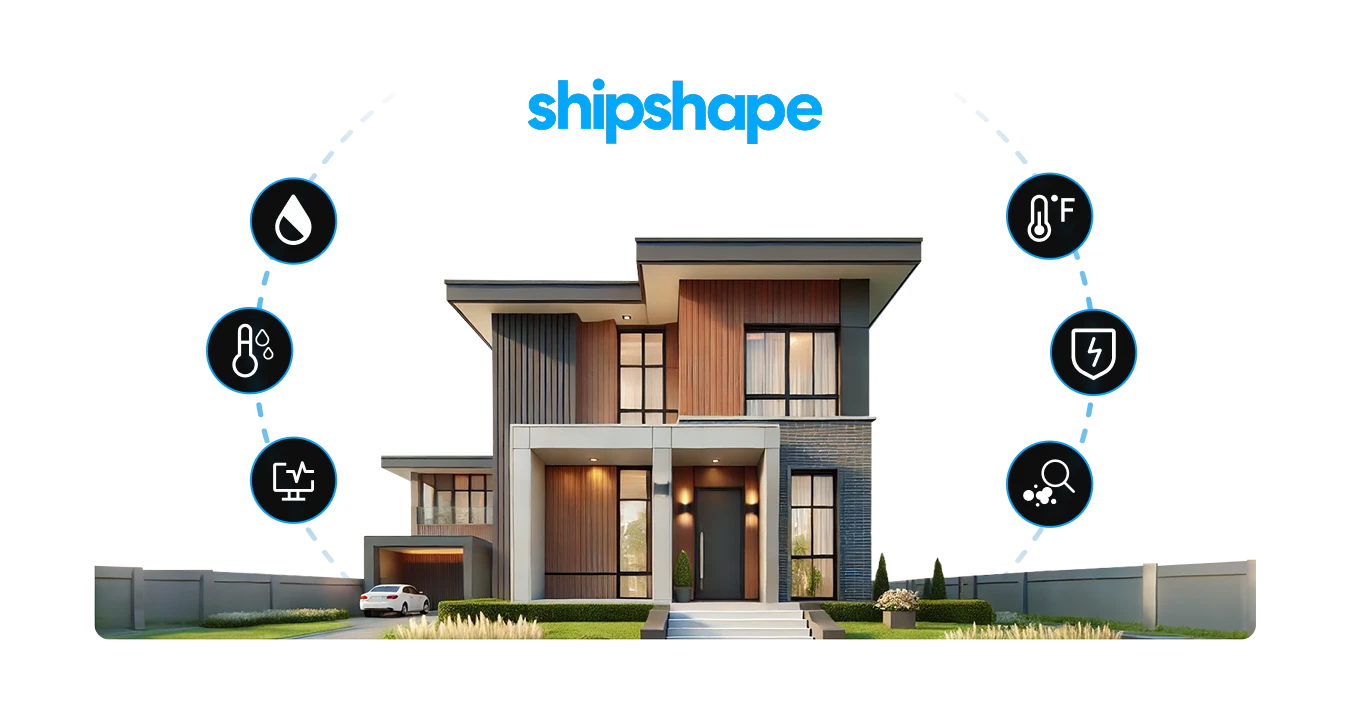
Fortunately, a new paradigm is emerging. Shipshape’s Smart Home Management Automation (SmartHMA) platform turns home maintenance from reactive drudgery into proactive, hassle-free wealth-building. SmartHMA connects all a home’s systems and appliances into one AI-driven dashboard. Every service visit – from filter changes to repairs – feeds data into the home’s digital “health record.” Shipshape’s AI then analyzes usage, efficiency, equipment age, and best practice building science to recommend the next best upgrade or maintenance action. Homeowners no longer wonder what’s wrong or what to do next; the platform delivers clear, prioritized guidance.
Key Features:
- Always-on monitoring: Automated sensors keep an eye on equipment 24/7, eliminating surprise breakdowns.
- Data-driven transparency: The system suggests precisely what needs fixing and when – no more guesswork or up-sells.
- Wealth-building maintenance: Improvements are prioritized based on ROI and home value impact, so every upgrade builds equity.
Hassle-Free Home Maintenance
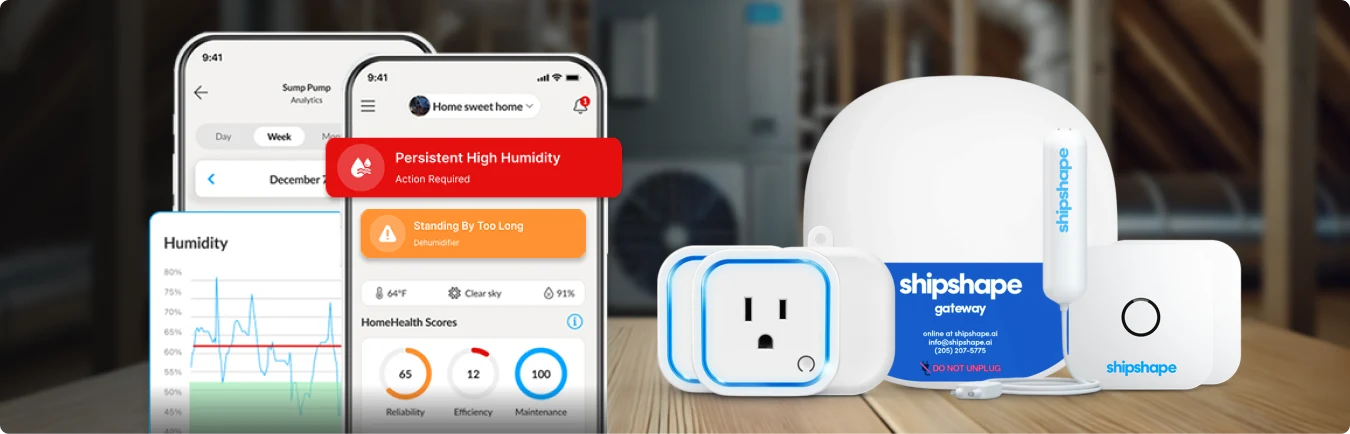
These features create what Shipshape calls the “hassle-free home maintenance revolution.” Consumers (especially busy homeowners) want maintenance they can count on – no haggling, no hidden fees, no stress. SmartHMA delivers precisely that. Homeowners get peace of mind knowing issues will be caught early, their homes stay efficient and safe, and long-term costs drop. Energy bills shrink and equipment lasts longer (predictive diagnostics can cut energy waste dramatically), while indoor air quality and comfort improve. Essentially, SmartHMA means your home manages itself – on your schedule and budget.
Benefits for Service Dealers
For home service dealers, the benefits are just as big. Early adopters of SmartHMA transform their businesses from sporadic errand-runners into trusted, high-value advisors. Instead of scrambling for one-off jobs, they earn recurring revenue through monitoring fees and proactive service plans. Shipshape’s white paper shows how a dealer managing just 500 homes with automation could generate $600k–$1.2M in annual recurring revenue (not counting extra upgrade projects). By baking smart monitoring into every efficiency upgrade, dealers see customer loyalty soar.
In this model, home visits focus on long-term planning, not patchwork fixes – technicians report higher satisfaction as their jobs shift from “hunts for broken stuff” to sophisticated problem-solving. Crucially, dealers who build these deep data ties with homeowners create a nearly unassailable advantage. Once you know a home’s full mechanical and financial profile, competitors can’t easily poach that relationship.
The Shift Is Already Here

Make no mistake: the connected-home shift is not a fad, it’s a fundamental industry transformation. AI-powered home automation is already here, fueled by wider internet access (5G and edge computing) and climate-conscious consumers. By 2032, analysts expect the global smart home market to swell to over $600 billion (up from $120 billion in 2024). As Shipshape warns, service providers face a binary choice: evolve into smart-home leaders or risk losing territory to tech giants. The company’s conclusion is clear: “The revolution isn’t coming. It’s here.”
Why It Matters Now
Every homeowner and dealer stands to gain. If you own a home, adopting SmartHMA means spending less time worrying about maintenance and more time enjoying a healthy, efficient house. If you’re a contractor or service dealer, SmartHMA is your ticket to higher revenues and unshakable customer trust. Ultimately, this isn’t about gadgets – it’s about giving homeowners a proactive, hassle-free experience that preserves and grows their most important asset.
Download the Full White Paper
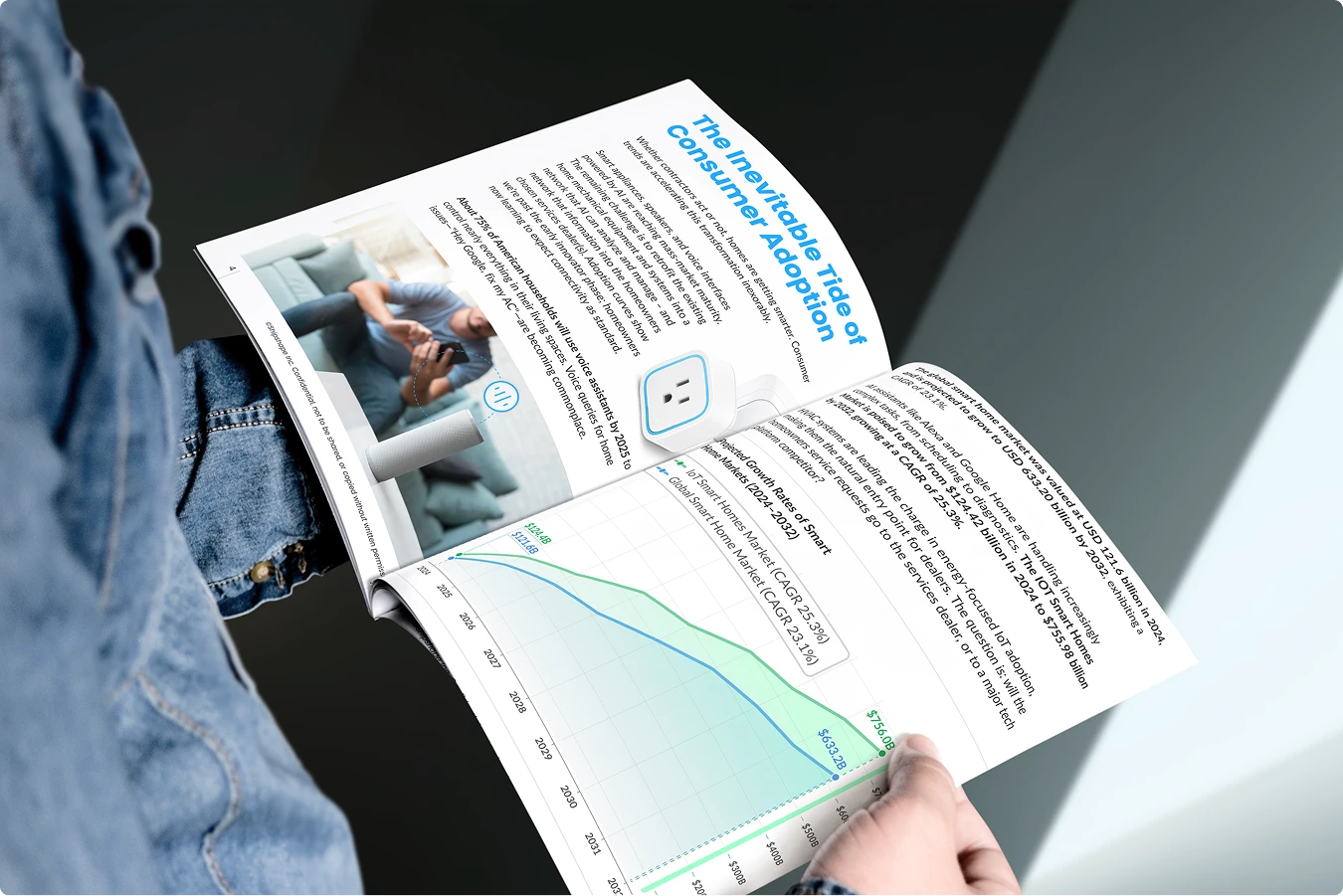
Ready to learn more? Download Shipshape’s full white paper “The Connected Home Revolution” for in-depth insights, data, and strategies. It lays out the market trends, technology drivers, and step-by-step guidance showing how smart home management can future-proof your home (or business) and turn maintenance from a burden into a benefit.