
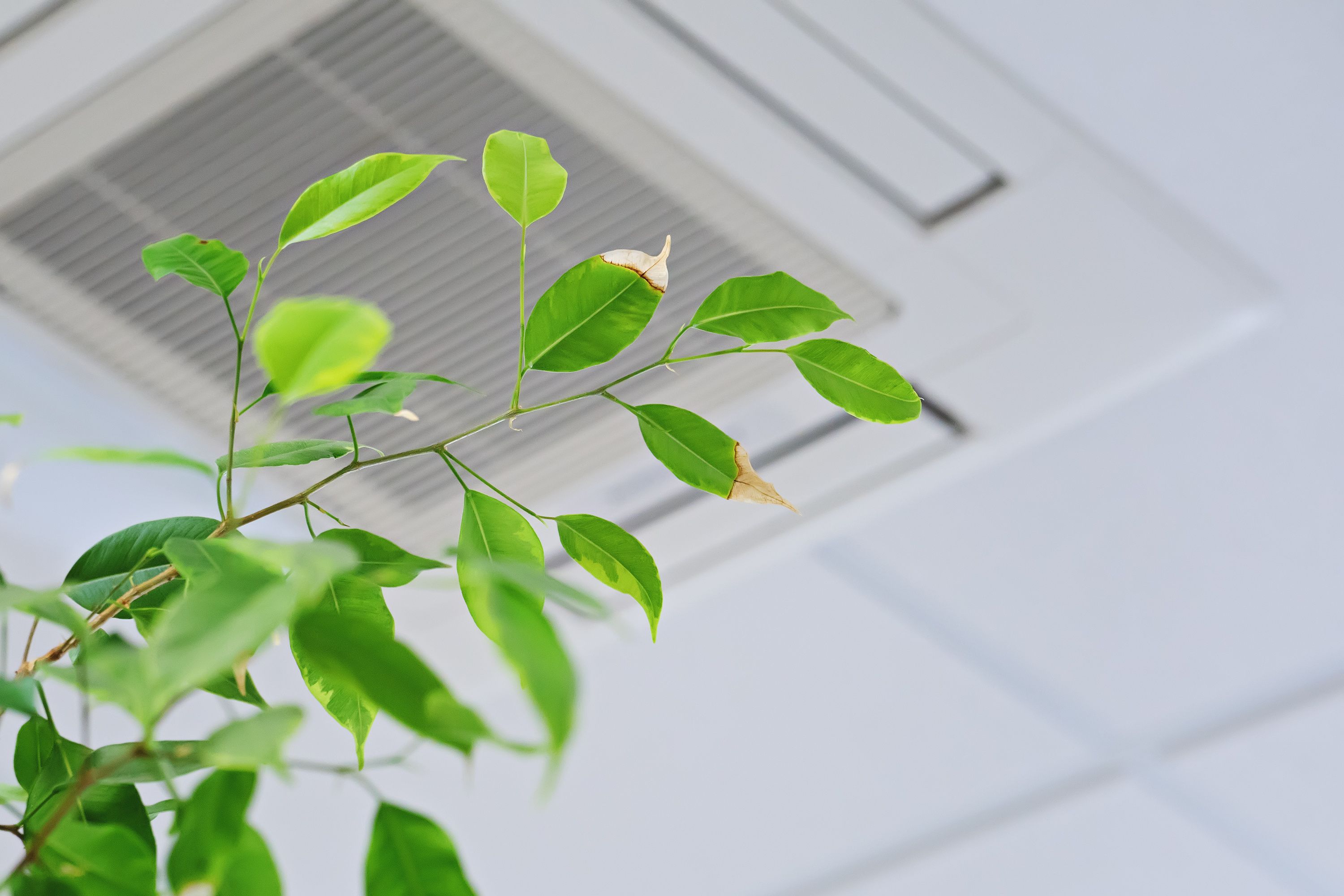
With today’s air pollution stats, outdoor air quality reports have become commonplace for the seven-day forecast. But what about the air you breathe inside your home? Should you be concerned? To be honest, yes.
According to the U.S. Consumer Product Safety Commission, recent years of scientific research indicates indoor air can be more seriously polluted than outdoor air in the largest, most industrialized cities. When you add an aging population and chronic illness to the mix, the problem grows worse in numbers for overall health.
Causes of Indoor Pollution
Many of the indoor pollutants in your home or workplace are part of your everyday routine. Cooking, cleaning, and even self-care can all contribute to pollution. Here are a few to consider:
Combustion
These sources include gas, oil, kerosene, coal, wood, and tobacco products. Gas can emit dangerous levels of carbon monoxide without you ever noticing it.
Poor Maintenance of HVAC System
Whencentral heating and cooling systemsare not properly maintained, the airflow you breathe becomes unfiltered, further supporting poor air quality.
Wet or Damp Materials
Carpets, cabinets, furniture, or pressed wood products that remain damp or wet can causemold and mildewto grow.
Insulation with Asbestos
Older insulation may contain cancer-causing asbestos.
Household Cleaning Products
Everyday products send chemicals into the air to linger as you clean.
Poor Ventilation
Your home needs just the right amount of ventilation tomaintain proper air quality.
How to Improve Your Home’s Air Quality
Once you’ve identified the source of your air pollutants, you can start working on ways to reduce them.
Improve Ventilation
There’s a careful balance required when it comes to ventilation for your home. Without it, too many indoor pollutants can build to levels that cause health problems and discomfort. On the other hand, too much ventilation in the wrong places, such as yourcrawlspace, can raise humidity levels for another set of problems. Make sure your home has the right combination for better air quality.
Use Air Cleaners
With many versions to choose from, air cleaners range in size, cost, and performance. Air cleaners can be highly effective in removing particles for improved air quality, although they aren’t designed to remove gaseous pollutants.
Install a Home Monitoring System
There’s a simpler way to handle indoorair quality. It starts with ShipShape, a company that networks all of your home’s critical systems together to be monitored for air quality concerns. It could be a poorly operating HVAC system, temperature issues, a leak in crawlspace, or high humidity levels. Whatever the source may be, ShipShape’s monitoring system locates the problem and offers solutions that help you regain control of your home and your health.
ShipShape Helps You Breathe Easier
Shipshape is theintelligent way to protect your homeand monitor air quality for better health.Request a callfrom a care specialist who can get the process started for a smarter, safer, and energy-efficient home.


